Buy house-zakaria.com ?
We are moving the project
house-zakaria.com .
Are you interested in purchasing the domain
house-zakaria.com ?
domain@kv-gmbh.de · 0541-91531010
Buy house-zakaria.com ?
What is the history of napkin decoupage?
Napkin decoupage, also known as paper napkin decoupage, has its origins in the art of decoupage, which dates back to ancient times. Decoupage involves decorating objects by gluing paper cutouts onto them and then sealing them with varnish. The technique became popular in Europe during the 18th century, and napkin decoupage specifically gained popularity in the 20th century as decorative paper napkins became widely available. It is a popular craft technique for creating unique and personalized home decor items, such as vases, trays, and furniture. **
Can you paint furniture with acrylic paint?
Yes, you can paint furniture with acrylic paint. Acrylic paint is a versatile and durable option for painting furniture, as it adheres well to a variety of surfaces and dries quickly. To ensure a long-lasting finish, it's important to properly prepare the furniture by cleaning and sanding it before applying the acrylic paint. Additionally, sealing the painted furniture with a clear acrylic sealer can help protect the paint and provide a smooth, durable finish. **


Similar search terms for Vivience-Acrylic-Square-Napkin
Top-Angebote
Products related to Vivience-Acrylic-Square-Napkin:
-
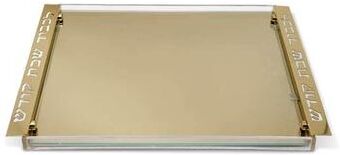
Vivience Imprinted Handles Acrylic Challah TrayUpgrade your traditional Shabbat meal with this beautiful and practical acrylic challah board. The sleek white leather surface and imprinted handles add style to your table while the glass surface is perfect for slicing and serving challah.94,99 $*Shipping: 0,00 $Secure redirect to the provider
-
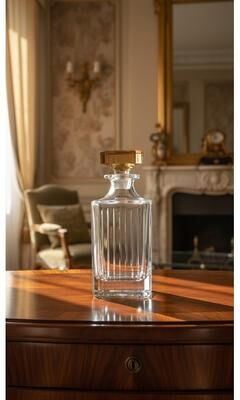
Vivience Square Liquor Bottle With Amber Diamond CoverThis square liquor bottle combines functional design with refined aesthetics. The amber diamond-patterned cover delivers both visual appeal and practical protection, preserving the spirit quality while displaying the liquid's natural color.98,99 $*Shipping: 0,00 $Secure redirect to the provider
-
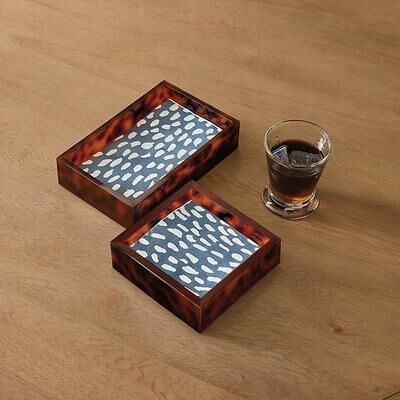
Acrylic Napkin Holders - Tortoise Buffet - Ballard DesignsGive your bar and buffet a little extra sparkle and fashion-forward style with our tortoise shell Acrylic Napkin Holders. Each is made of thick-walled premium acrylic for a substantial look and feel. Acrylic Napkin Holder features: Tortoise shell...41,30 $*Shipping: 179,00 $Secure redirect to the provider

-
How does the napkin technique work on glass?
The napkin technique on glass involves using a wet napkin to create a temporary design or pattern on the surface of the glass. The napkin is placed on the glass and gently pressed to adhere to the surface. The wet napkin creates a temporary bond with the glass, allowing the design to transfer onto the glass. Once the napkin is removed, the design will remain on the glass. This technique is often used for creating decorative patterns or designs on glass surfaces. **
-
What is the instructions for napkin decoupage on glass?
To do napkin decoupage on glass, first, clean the glass surface thoroughly. Next, separate the layers of the napkin and cut out the design you want to use. Apply a thin layer of decoupage glue to the glass, place the napkin on top, and gently smooth out any wrinkles or air bubbles. Once dry, seal the napkin with another layer of decoupage glue. Repeat this process if you want to add more designs, and let it dry completely before using or displaying the glass item. **
-
How can one blow their nose into a napkin?
To blow your nose into a napkin, simply hold the napkin up to your nose and gently blow air out of your nostrils. Make sure to cover your nose completely with the napkin to catch any mucus or debris. Once you have blown your nose, carefully fold the napkin to contain the contents and dispose of it properly in a trash bin. Remember to wash your hands thoroughly after blowing your nose to prevent the spread of germs. **
-
What is the instruction for napkin decoupage on glass?
To do napkin decoupage on glass, first clean the glass surface thoroughly. Then, separate the layers of the napkin and cut out the design you want to use. Next, apply a thin layer of decoupage glue to the glass and carefully place the napkin design on top. Smooth out any wrinkles or air bubbles, and then apply another layer of decoupage glue on top of the napkin to seal it. Allow it to dry completely before using or displaying the glass. **

How can one perform napkin decoupage with real leaves?
To perform napkin decoupage with real leaves, start by collecting and pressing the leaves to flatten them. Then, choose a napkin with a design that complements the leaves. Next, apply a thin layer of decoupage glue to the surface you want to decorate and carefully place the napkin on top. Once the napkin is in place, arrange the pressed leaves on top of the napkin and secure them with another layer of decoupage glue. Allow the glue to dry completely before using or displaying the finished piece. **
Is there acrylic powder without acrylic liquid?
No, acrylic powder is typically used in conjunction with acrylic liquid to create acrylic nails. The acrylic liquid is necessary to activate the acrylic powder and form a moldable paste that can be shaped and applied to the nails. Attempting to use acrylic powder without acrylic liquid will not result in the desired outcome of strong and durable acrylic nails. **
Top-Angebote
Products related to Vivience-Acrylic-Square-Napkin:
-
Vivience "Acrylic Square Napkin Holder with White Base, 8""L"This acrylic square napkin holder is designed with a white marble base to easily match any dining or kitchen style. Crafted from durable acrylic material, this holder ensures your napkins stay neat and accessible.34,49 $*Shipping: 0,00 $Secure redirect to the provider
-
Vivience Gold Square Napkin Holder with Black Pebble DetailDisplay your napkins in style with this gold napkin holder. Featuring a unique black pebble design, this napkin holder provide both durability and sophistication. Its contemporary square shape will be the perfect addition to any kitchen or dining room.52,49 $*Shipping: 0,00 $Secure redirect to the provider
-
Vivience Imprinted Handles Acrylic Challah TrayUpgrade your traditional Shabbat meal with this beautiful and practical acrylic challah board. The sleek white leather surface and imprinted handles add style to your table while the glass surface is perfect for slicing and serving challah.94,99 $*Shipping: 0,00 $Secure redirect to the provider
-
What is the history of napkin decoupage?
Napkin decoupage, also known as paper napkin decoupage, has its origins in the art of decoupage, which dates back to ancient times. Decoupage involves decorating objects by gluing paper cutouts onto them and then sealing them with varnish. The technique became popular in Europe during the 18th century, and napkin decoupage specifically gained popularity in the 20th century as decorative paper napkins became widely available. It is a popular craft technique for creating unique and personalized home decor items, such as vases, trays, and furniture. **
-
Can you paint furniture with acrylic paint?
Yes, you can paint furniture with acrylic paint. Acrylic paint is a versatile and durable option for painting furniture, as it adheres well to a variety of surfaces and dries quickly. To ensure a long-lasting finish, it's important to properly prepare the furniture by cleaning and sanding it before applying the acrylic paint. Additionally, sealing the painted furniture with a clear acrylic sealer can help protect the paint and provide a smooth, durable finish. **
-
How does the napkin technique work on glass?
The napkin technique on glass involves using a wet napkin to create a temporary design or pattern on the surface of the glass. The napkin is placed on the glass and gently pressed to adhere to the surface. The wet napkin creates a temporary bond with the glass, allowing the design to transfer onto the glass. Once the napkin is removed, the design will remain on the glass. This technique is often used for creating decorative patterns or designs on glass surfaces. **
-
What is the instructions for napkin decoupage on glass?
To do napkin decoupage on glass, first, clean the glass surface thoroughly. Next, separate the layers of the napkin and cut out the design you want to use. Apply a thin layer of decoupage glue to the glass, place the napkin on top, and gently smooth out any wrinkles or air bubbles. Once dry, seal the napkin with another layer of decoupage glue. Repeat this process if you want to add more designs, and let it dry completely before using or displaying the glass item. **
Similar search terms for Vivience-Acrylic-Square-Napkin
-
Vivience Square Liquor Bottle With Amber Diamond CoverThis square liquor bottle combines functional design with refined aesthetics. The amber diamond-patterned cover delivers both visual appeal and practical protection, preserving the spirit quality while displaying the liquid's natural color.98,99 $*Shipping: 0,00 $Secure redirect to the provider
-
Acrylic Napkin Holders - Tortoise Buffet - Ballard DesignsGive your bar and buffet a little extra sparkle and fashion-forward style with our tortoise shell Acrylic Napkin Holders. Each is made of thick-walled premium acrylic for a substantial look and feel. Acrylic Napkin Holder features: Tortoise shell...41,30 $*Shipping: 179,00 $Secure redirect to the provider
-
Vivience "Acrylic Challah Tray with Cylinder Handles - 16""L"This acrylic challah tray features elegant accents and convenient cylinder handles for easy transport. The durable material ensures long-lasting use and the sleek design adds a touch of refinement to your Shabbat table.90,69 $*Shipping: 0,00 $Secure redirect to the provider
-
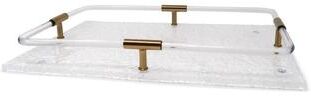
Vivience Acrylic Rectangle Tray with Gold Detail on HandleThis gorgeous acrylic tray features an elevated all around handle, adding a touch of luxe to any home décor. Constructed from high-quality materials and built to last, this tray provides both style and functionality.65,49 $*Shipping: 0,00 $Secure redirect to the provider
-
How can one blow their nose into a napkin?
To blow your nose into a napkin, simply hold the napkin up to your nose and gently blow air out of your nostrils. Make sure to cover your nose completely with the napkin to catch any mucus or debris. Once you have blown your nose, carefully fold the napkin to contain the contents and dispose of it properly in a trash bin. Remember to wash your hands thoroughly after blowing your nose to prevent the spread of germs. **
-
What is the instruction for napkin decoupage on glass?
To do napkin decoupage on glass, first clean the glass surface thoroughly. Then, separate the layers of the napkin and cut out the design you want to use. Next, apply a thin layer of decoupage glue to the glass and carefully place the napkin design on top. Smooth out any wrinkles or air bubbles, and then apply another layer of decoupage glue on top of the napkin to seal it. Allow it to dry completely before using or displaying the glass. **
-
How can one perform napkin decoupage with real leaves?
To perform napkin decoupage with real leaves, start by collecting and pressing the leaves to flatten them. Then, choose a napkin with a design that complements the leaves. Next, apply a thin layer of decoupage glue to the surface you want to decorate and carefully place the napkin on top. Once the napkin is in place, arrange the pressed leaves on top of the napkin and secure them with another layer of decoupage glue. Allow the glue to dry completely before using or displaying the finished piece. **
-
Is there acrylic powder without acrylic liquid?
No, acrylic powder is typically used in conjunction with acrylic liquid to create acrylic nails. The acrylic liquid is necessary to activate the acrylic powder and form a moldable paste that can be shaped and applied to the nails. Attempting to use acrylic powder without acrylic liquid will not result in the desired outcome of strong and durable acrylic nails. **
* All prices are inclusive of VAT and, if applicable, plus shipping costs. The offer information is based on the details provided by the respective shop and is updated through automated processes. Real-time updates do not occur, so deviations can occur in individual cases. ** Note: Parts of this content were created by AI.