Buy house-zakaria.com ?
We are moving the project
house-zakaria.com .
Are you interested in purchasing the domain
house-zakaria.com ?
domain@kv-gmbh.de · 0541-91531010
Buy house-zakaria.com ?
What kind of spider is that, House Spider?
The House Spider, also known as the common house spider or domestic house spider, is a species of spider commonly found in homes and buildings throughout North America and Europe. It belongs to the family Theridiidae, which includes cobweb spiders. House spiders are known for their small size, typically ranging from 4-9mm in length, and their ability to create messy, irregular webs in corners and crevices. They are generally harmless to humans and are beneficial in controlling other household pests. **
What is the history of napkin decoupage?
Napkin decoupage, also known as paper napkin decoupage, has its origins in the art of decoupage, which dates back to ancient times. Decoupage involves decorating objects by gluing paper cutouts onto them and then sealing them with varnish. The technique became popular in Europe during the 18th century, and napkin decoupage specifically gained popularity in the 20th century as decorative paper napkins became widely available. It is a popular craft technique for creating unique and personalized home decor items, such as vases, trays, and furniture. **


Similar search terms for Saro-Spider-Napkin-Rings
Top-Angebote
Products related to Saro-Spider-Napkin-Rings:


-
What is a large house spider or corner spider?
A large house spider, also known as a corner spider, is a common species of spider found in homes and buildings. They are typically brown or gray in color and have long legs, with a body that can reach up to 1 inch in size. These spiders are known for building messy, irregular webs in corners or crevices of rooms where they can catch insects for food. While they may look intimidating due to their size, large house spiders are not considered dangerous to humans and are actually beneficial in controlling insect populations in the home. **
-
What is a large house spider or angle spider?
A large house spider, also known as an angle spider, is a common species of spider found in homes and buildings. They are typically brown or grey in color and have long legs, with a body that can grow up to 1 inch in length. Large house spiders are known for their ability to move quickly and are often found in dark, secluded areas such as basements, closets, and attics. While they may look intimidating, these spiders are not considered dangerous to humans and are actually beneficial as they help control insect populations. **
-
How long does the spider scene in Lord of the Rings 3 last?
The spider scene in Lord of the Rings 3, also known as "The Return of the King," lasts for approximately 15 minutes. This scene takes place in the third act of the movie, where Frodo and Sam encounter the giant spider, Shelob, in their journey to Mount Doom. The intense and suspenseful sequence showcases the perilous nature of their quest and the dangers they face along the way. **
-
What kind of huge spider is that, a house spider?
The house spider is a common type of spider found in homes and buildings. They are typically small to medium in size, with a body length of around 1/4 to 3/8 inch. House spiders are known for their ability to create messy, irregular webs in corners and crevices. While they may appear intimidating due to their size, house spiders are not considered dangerous to humans. **

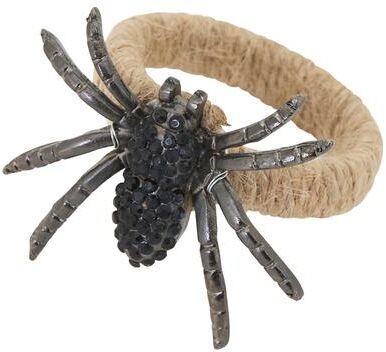
What kind of giant spider is that, a house spider?
The giant spider in question is likely a Huntsman spider, which is known for its large size and long legs. Huntsman spiders are commonly found in houses and are often mistaken for house spiders due to their similar habitat. However, Huntsman spiders are not considered dangerous to humans and are actually beneficial as they help control insect populations in the home. **
How does the napkin technique work on glass?
The napkin technique on glass involves using a wet napkin to create a temporary design or pattern on the surface of the glass. The napkin is placed on the glass and gently pressed to adhere to the surface. The wet napkin creates a temporary bond with the glass, allowing the design to transfer onto the glass. Once the napkin is removed, the design will remain on the glass. This technique is often used for creating decorative patterns or designs on glass surfaces. **
Top-Angebote
Products related to Saro-Spider-Napkin-Rings:
-
What kind of spider is that, House Spider?
The House Spider, also known as the common house spider or domestic house spider, is a species of spider commonly found in homes and buildings throughout North America and Europe. It belongs to the family Theridiidae, which includes cobweb spiders. House spiders are known for their small size, typically ranging from 4-9mm in length, and their ability to create messy, irregular webs in corners and crevices. They are generally harmless to humans and are beneficial in controlling other household pests. **
-
What is the history of napkin decoupage?
Napkin decoupage, also known as paper napkin decoupage, has its origins in the art of decoupage, which dates back to ancient times. Decoupage involves decorating objects by gluing paper cutouts onto them and then sealing them with varnish. The technique became popular in Europe during the 18th century, and napkin decoupage specifically gained popularity in the 20th century as decorative paper napkins became widely available. It is a popular craft technique for creating unique and personalized home decor items, such as vases, trays, and furniture. **
-
What is a large house spider or corner spider?
A large house spider, also known as a corner spider, is a common species of spider found in homes and buildings. They are typically brown or gray in color and have long legs, with a body that can reach up to 1 inch in size. These spiders are known for building messy, irregular webs in corners or crevices of rooms where they can catch insects for food. While they may look intimidating due to their size, large house spiders are not considered dangerous to humans and are actually beneficial in controlling insect populations in the home. **
-
What is a large house spider or angle spider?
A large house spider, also known as an angle spider, is a common species of spider found in homes and buildings. They are typically brown or grey in color and have long legs, with a body that can grow up to 1 inch in length. Large house spiders are known for their ability to move quickly and are often found in dark, secluded areas such as basements, closets, and attics. While they may look intimidating, these spiders are not considered dangerous to humans and are actually beneficial as they help control insect populations. **
Similar search terms for Saro-Spider-Napkin-Rings
-
How long does the spider scene in Lord of the Rings 3 last?
The spider scene in Lord of the Rings 3, also known as "The Return of the King," lasts for approximately 15 minutes. This scene takes place in the third act of the movie, where Frodo and Sam encounter the giant spider, Shelob, in their journey to Mount Doom. The intense and suspenseful sequence showcases the perilous nature of their quest and the dangers they face along the way. **
-
What kind of huge spider is that, a house spider?
The house spider is a common type of spider found in homes and buildings. They are typically small to medium in size, with a body length of around 1/4 to 3/8 inch. House spiders are known for their ability to create messy, irregular webs in corners and crevices. While they may appear intimidating due to their size, house spiders are not considered dangerous to humans. **
-
What kind of giant spider is that, a house spider?
The giant spider in question is likely a Huntsman spider, which is known for its large size and long legs. Huntsman spiders are commonly found in houses and are often mistaken for house spiders due to their similar habitat. However, Huntsman spiders are not considered dangerous to humans and are actually beneficial as they help control insect populations in the home. **
-
How does the napkin technique work on glass?
The napkin technique on glass involves using a wet napkin to create a temporary design or pattern on the surface of the glass. The napkin is placed on the glass and gently pressed to adhere to the surface. The wet napkin creates a temporary bond with the glass, allowing the design to transfer onto the glass. Once the napkin is removed, the design will remain on the glass. This technique is often used for creating decorative patterns or designs on glass surfaces. **
* All prices are inclusive of VAT and, if applicable, plus shipping costs. The offer information is based on the details provided by the respective shop and is updated through automated processes. Real-time updates do not occur, so deviations can occur in individual cases. ** Note: Parts of this content were created by AI.