Buy house-zakaria.com ?
We are moving the project
house-zakaria.com .
Are you interested in purchasing the domain
house-zakaria.com ?
domain@kv-gmbh.de · 0541-91531010
Buy house-zakaria.com ?
How do you remove glue from textiles/clothing?
To remove glue from textiles or clothing, start by scraping off as much of the dried glue as possible using a blunt knife or spoon. Then, apply a small amount of a solvent such as rubbing alcohol, acetone, or a commercial adhesive remover to a clean cloth and gently dab at the glue stain. Be sure to test the solvent on a small, inconspicuous area of the fabric first to ensure it doesn't cause any damage. Once the glue is softened, launder the clothing as usual. If the glue stain persists, consider seeking professional dry cleaning services. **
How can one draw textiles such as clothing, etc.?
To draw textiles such as clothing, it is important to pay attention to the texture and drape of the fabric. Start by sketching the basic outline of the garment and then add details such as folds, wrinkles, and seams to create a realistic look. Use shading and highlighting to give the fabric a sense of depth and dimension. It can also be helpful to study real-life textiles and practice drawing different types of fabrics to improve your skills. Additionally, using reference images or observing how clothing looks on a person can provide valuable insight into how to accurately depict textiles in your drawings. **


Similar search terms for Clothing
Top-Angebote
Products related to Clothing:
-
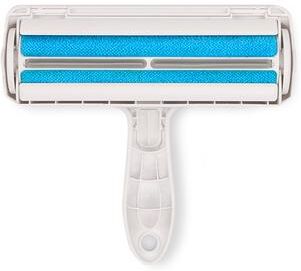
PRiME FurFree Self Cleaning Pet Hair Remover Roller For Furniture, Clothing & Car Seats FurFree Self Cleaning Pet Hair Remover Roller For Furniture, Clothing & Car SeatsWake up to cleaner furniture, fresher clothes, and a furfree home without the hassle. This dog hair remover is designed for pet parents who love their furry companions but not the endless shedding they leave behind. Featuring a smart selfcleaning...39,97 $*Shipping: 0,00 $Secure redirect to the provider


-
Why does the cat pee on textiles and clothing?
Cats may pee on textiles and clothing for a variety of reasons, including marking their territory, feeling stressed or anxious, or having a medical issue such as a urinary tract infection. Additionally, cats may be attracted to the texture and scent of certain fabrics, leading them to urinate on these items. It's important to address the underlying cause of the behavior and provide appropriate litter box management, environmental enrichment, and veterinary care to prevent further incidents. **
-
Would you donate clothing, shoes, and household appliances?
As an AI, I do not have physical possessions or the ability to donate items. However, donating clothing, shoes, and household appliances can be a great way to help those in need and reduce waste. It is a kind and generous gesture that can make a positive impact on the lives of others. **
-
What happens to plasticized textiles in the used clothing collection?
Plasticized textiles, such as those made with PVC or other plastic coatings, can pose a challenge in the used clothing collection process. When these textiles are mixed in with other clothing items, they can contaminate the recycling process and make it difficult to properly recycle the other textiles. As a result, plasticized textiles may end up being discarded or sent to landfills instead of being recycled, contributing to environmental pollution and waste. It is important for consumers to be mindful of the materials in their clothing and to properly dispose of items made with plasticized textiles. **
-
What is a wholesale for dog or pet clothing textiles?
Wholesale for dog or pet clothing textiles refers to the bulk purchase of fabric and materials used to make clothing and accessories for dogs and other pets. This can include items such as cotton, fleece, denim, and other fabrics, as well as accessories like buttons, zippers, and trims. Wholesale suppliers typically offer these items at a discounted price to businesses that specialize in creating and selling pet clothing and accessories. This allows businesses to purchase the materials they need in large quantities at a lower cost, enabling them to produce their products at a competitive price point. **

In which country or countries in Europe are textiles and clothing the cheapest?
Textiles and clothing are generally cheapest in Eastern European countries such as Bulgaria, Romania, and Poland. These countries have lower labor and production costs, which allows them to offer more affordable clothing and textiles. Additionally, there are also some affordable options in countries like Portugal and Turkey, which have a strong tradition in textile manufacturing. **
Can one wear girls' clothing in the house?
Yes, one can wear girls' clothing in the house if they feel comfortable and happy doing so. Clothing does not have a gender, and everyone should be free to express themselves through their choice of attire. It is important to create a safe and accepting environment where individuals can be themselves without judgment. **
Top-Angebote
Products related to Clothing:
-
Retailers Go Movable Underbed Storage Box, Multifunctional Toy Sorting Box, Dust Proof Clothing Organizer, Clothing Storage Box birdTransform your home organization with the Underbed Storage Box, the ultimate solution for maximizing storage space in your home. Whether you're storing seasonal clothing, toys, or other household items, this multifunctional storage box is the...84,97 $*Shipping: 0,00 $Secure redirect to the provider
-
Uplift Essentials Reusable Pet Hair Remover Roller For Furniture And Clothing Reusable Pet Hair Remover Roller For Furniture And ClothingSay goodbye to pet hair everywhere with this reusable lint roller, designed to quickly and effectively remove fur from couches, clothes, carpets, and car seats. Unlike disposable rollers, this ecofriendly cleaning tool can be reused endlessly simply...36,97 $*Shipping: 0,00 $Secure redirect to the provider
-
How do you remove glue from textiles/clothing?
To remove glue from textiles or clothing, start by scraping off as much of the dried glue as possible using a blunt knife or spoon. Then, apply a small amount of a solvent such as rubbing alcohol, acetone, or a commercial adhesive remover to a clean cloth and gently dab at the glue stain. Be sure to test the solvent on a small, inconspicuous area of the fabric first to ensure it doesn't cause any damage. Once the glue is softened, launder the clothing as usual. If the glue stain persists, consider seeking professional dry cleaning services. **
-
How can one draw textiles such as clothing, etc.?
To draw textiles such as clothing, it is important to pay attention to the texture and drape of the fabric. Start by sketching the basic outline of the garment and then add details such as folds, wrinkles, and seams to create a realistic look. Use shading and highlighting to give the fabric a sense of depth and dimension. It can also be helpful to study real-life textiles and practice drawing different types of fabrics to improve your skills. Additionally, using reference images or observing how clothing looks on a person can provide valuable insight into how to accurately depict textiles in your drawings. **
-
Why does the cat pee on textiles and clothing?
Cats may pee on textiles and clothing for a variety of reasons, including marking their territory, feeling stressed or anxious, or having a medical issue such as a urinary tract infection. Additionally, cats may be attracted to the texture and scent of certain fabrics, leading them to urinate on these items. It's important to address the underlying cause of the behavior and provide appropriate litter box management, environmental enrichment, and veterinary care to prevent further incidents. **
-
Would you donate clothing, shoes, and household appliances?
As an AI, I do not have physical possessions or the ability to donate items. However, donating clothing, shoes, and household appliances can be a great way to help those in need and reduce waste. It is a kind and generous gesture that can make a positive impact on the lives of others. **
Similar search terms for Clothing
-
PRiME FurFree Self Cleaning Pet Hair Remover Roller For Furniture, Clothing & Car Seats FurFree Self Cleaning Pet Hair Remover Roller For Furniture, Clothing & Car SeatsWake up to cleaner furniture, fresher clothes, and a furfree home without the hassle. This dog hair remover is designed for pet parents who love their furry companions but not the endless shedding they leave behind. Featuring a smart selfcleaning...39,97 $*Shipping: 0,00 $Secure redirect to the provider
-
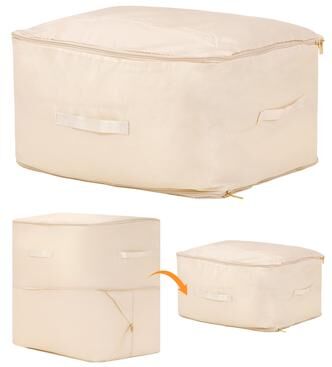
Unique Foldable Clothes Storage Bags for Organizing Clothing with HandlesThese storage bags are easy to store in the closet, garage or under the bed. These bags can be folded down to a small size for easy storage in drawers, closets, cars or luggage.25,49 $*Shipping: 0,00 $Secure redirect to the provider
-
What happens to plasticized textiles in the used clothing collection?
Plasticized textiles, such as those made with PVC or other plastic coatings, can pose a challenge in the used clothing collection process. When these textiles are mixed in with other clothing items, they can contaminate the recycling process and make it difficult to properly recycle the other textiles. As a result, plasticized textiles may end up being discarded or sent to landfills instead of being recycled, contributing to environmental pollution and waste. It is important for consumers to be mindful of the materials in their clothing and to properly dispose of items made with plasticized textiles. **
-
What is a wholesale for dog or pet clothing textiles?
Wholesale for dog or pet clothing textiles refers to the bulk purchase of fabric and materials used to make clothing and accessories for dogs and other pets. This can include items such as cotton, fleece, denim, and other fabrics, as well as accessories like buttons, zippers, and trims. Wholesale suppliers typically offer these items at a discounted price to businesses that specialize in creating and selling pet clothing and accessories. This allows businesses to purchase the materials they need in large quantities at a lower cost, enabling them to produce their products at a competitive price point. **
-
In which country or countries in Europe are textiles and clothing the cheapest?
Textiles and clothing are generally cheapest in Eastern European countries such as Bulgaria, Romania, and Poland. These countries have lower labor and production costs, which allows them to offer more affordable clothing and textiles. Additionally, there are also some affordable options in countries like Portugal and Turkey, which have a strong tradition in textile manufacturing. **
-
Can one wear girls' clothing in the house?
Yes, one can wear girls' clothing in the house if they feel comfortable and happy doing so. Clothing does not have a gender, and everyone should be free to express themselves through their choice of attire. It is important to create a safe and accepting environment where individuals can be themselves without judgment. **
* All prices are inclusive of VAT and, if applicable, plus shipping costs. The offer information is based on the details provided by the respective shop and is updated through automated processes. Real-time updates do not occur, so deviations can occur in individual cases. ** Note: Parts of this content were created by AI.