Buy house-zakaria.com ?
We are moving the project
house-zakaria.com .
Are you interested in purchasing the domain
house-zakaria.com ?
domain@kv-gmbh.de · 0541-91531010
Buy house-zakaria.com ?
What is a cylinder head gasket?
A cylinder head gasket is a critical component of an internal combustion engine. It is a thin, flat seal that is placed between the engine block and the cylinder head to prevent leakage of oil, coolant, and combustion gases. The gasket also helps to maintain the compression within the cylinders and ensures that the engine operates efficiently. It is typically made of metal or composite materials and must be able to withstand high temperatures and pressures. If the cylinder head gasket fails, it can lead to engine overheating, loss of power, and potential damage to the engine. **
Why does the cylinder head gasket fail?
The cylinder head gasket can fail due to a variety of reasons, including overheating of the engine, improper installation, or poor maintenance. Overheating can cause the gasket to become damaged or warped, leading to leaks. Improper installation, such as using the wrong torque specifications or not properly cleaning the surfaces, can also lead to gasket failure. Additionally, poor maintenance, such as not replacing the gasket when necessary or using low-quality gaskets, can contribute to failure. **


Similar search terms for AUGER-120967-Cylinder-Head
Top-Angebote
Products related to AUGER-120967-Cylinder-Head:


-
What happened to the cylinder head gasket?
The cylinder head gasket likely failed due to overheating or wear and tear. This failure can cause a leak between the cylinder head and engine block, leading to loss of compression, overheating, and potential damage to the engine. Replacing the cylinder head gasket is necessary to ensure proper engine function and prevent further damage. **
-
What is missing from the cylinder head?
The cylinder head is missing the camshaft, valves, and valve springs. These components are essential for the proper functioning of the cylinder head. The camshaft controls the opening and closing of the valves, while the valves and valve springs are responsible for allowing air and fuel into the combustion chamber and expelling exhaust gases. Without these components, the cylinder head would not be able to perform its function in the engine. **
-
Does the cylinder head gasket have play?
The cylinder head gasket does not have play. It is a critical component that seals the cylinder head to the engine block, preventing leaks of oil or coolant and maintaining proper compression in the combustion chamber. If the cylinder head gasket has play or is damaged, it can lead to serious engine problems such as overheating, loss of power, or even catastrophic engine failure. It is important to regularly inspect and maintain the cylinder head gasket to ensure it is in good condition. **
-
Can you use an 80cc 4-stroke cylinder with a 50cc cylinder head?
No, you cannot use an 80cc 4-stroke cylinder with a 50cc cylinder head. The cylinder head and cylinder must be compatible in terms of size and design to ensure proper functioning of the engine. Using mismatched components can lead to poor performance, overheating, and potential damage to the engine. It is important to use components that are specifically designed to work together for optimal performance and reliability. **

What is a hole in the cylinder head?
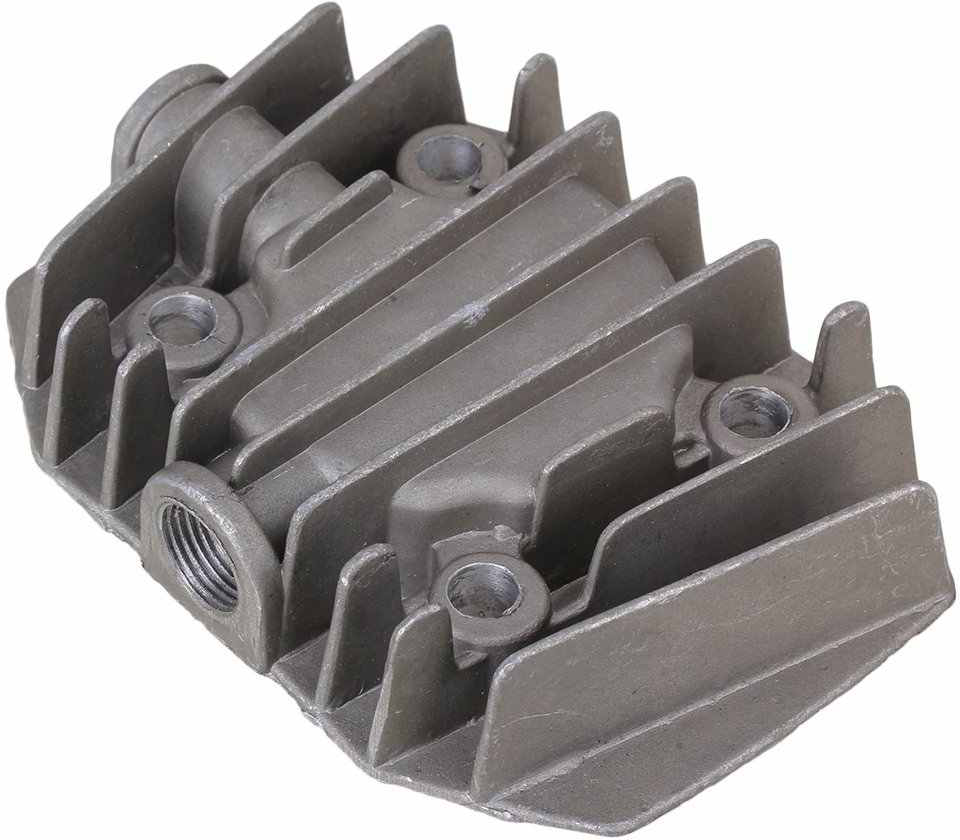
A hole in the cylinder head is a passage or opening that allows for the flow of air, fuel, or exhaust gases within the engine. These holes are strategically placed to facilitate the combustion process and the movement of fluids within the engine. They can also accommodate components such as spark plugs, valves, and fuel injectors. A hole in the cylinder head must be properly sealed and maintained to ensure the efficient and safe operation of the engine. **
How long does a cylinder head gasket last?
The lifespan of a cylinder head gasket can vary depending on a number of factors, including the quality of the gasket, the engine's operating conditions, and how well the vehicle is maintained. Generally, a well-maintained gasket can last anywhere from 50,000 to 100,000 miles. However, if the engine is subjected to extreme conditions or if there are issues with the cooling system or engine overheating, the gasket may fail sooner. Regular maintenance and keeping an eye out for signs of gasket failure can help prolong its lifespan. **
Top-Angebote
Products related to AUGER-120967-Cylinder-Head:
-
What is a cylinder head gasket?
A cylinder head gasket is a critical component of an internal combustion engine. It is a thin, flat seal that is placed between the engine block and the cylinder head to prevent leakage of oil, coolant, and combustion gases. The gasket also helps to maintain the compression within the cylinders and ensures that the engine operates efficiently. It is typically made of metal or composite materials and must be able to withstand high temperatures and pressures. If the cylinder head gasket fails, it can lead to engine overheating, loss of power, and potential damage to the engine. **
-
Why does the cylinder head gasket fail?
The cylinder head gasket can fail due to a variety of reasons, including overheating of the engine, improper installation, or poor maintenance. Overheating can cause the gasket to become damaged or warped, leading to leaks. Improper installation, such as using the wrong torque specifications or not properly cleaning the surfaces, can also lead to gasket failure. Additionally, poor maintenance, such as not replacing the gasket when necessary or using low-quality gaskets, can contribute to failure. **
-
What happened to the cylinder head gasket?
The cylinder head gasket likely failed due to overheating or wear and tear. This failure can cause a leak between the cylinder head and engine block, leading to loss of compression, overheating, and potential damage to the engine. Replacing the cylinder head gasket is necessary to ensure proper engine function and prevent further damage. **
-
What is missing from the cylinder head?
The cylinder head is missing the camshaft, valves, and valve springs. These components are essential for the proper functioning of the cylinder head. The camshaft controls the opening and closing of the valves, while the valves and valve springs are responsible for allowing air and fuel into the combustion chamber and expelling exhaust gases. Without these components, the cylinder head would not be able to perform its function in the engine. **
Similar search terms for AUGER-120967-Cylinder-Head
-
Does the cylinder head gasket have play?
The cylinder head gasket does not have play. It is a critical component that seals the cylinder head to the engine block, preventing leaks of oil or coolant and maintaining proper compression in the combustion chamber. If the cylinder head gasket has play or is damaged, it can lead to serious engine problems such as overheating, loss of power, or even catastrophic engine failure. It is important to regularly inspect and maintain the cylinder head gasket to ensure it is in good condition. **
-
Can you use an 80cc 4-stroke cylinder with a 50cc cylinder head?
No, you cannot use an 80cc 4-stroke cylinder with a 50cc cylinder head. The cylinder head and cylinder must be compatible in terms of size and design to ensure proper functioning of the engine. Using mismatched components can lead to poor performance, overheating, and potential damage to the engine. It is important to use components that are specifically designed to work together for optimal performance and reliability. **
-
What is a hole in the cylinder head?
A hole in the cylinder head is a passage or opening that allows for the flow of air, fuel, or exhaust gases within the engine. These holes are strategically placed to facilitate the combustion process and the movement of fluids within the engine. They can also accommodate components such as spark plugs, valves, and fuel injectors. A hole in the cylinder head must be properly sealed and maintained to ensure the efficient and safe operation of the engine. **
-
How long does a cylinder head gasket last?
The lifespan of a cylinder head gasket can vary depending on a number of factors, including the quality of the gasket, the engine's operating conditions, and how well the vehicle is maintained. Generally, a well-maintained gasket can last anywhere from 50,000 to 100,000 miles. However, if the engine is subjected to extreme conditions or if there are issues with the cooling system or engine overheating, the gasket may fail sooner. Regular maintenance and keeping an eye out for signs of gasket failure can help prolong its lifespan. **
* All prices are inclusive of VAT and, if applicable, plus shipping costs. The offer information is based on the details provided by the respective shop and is updated through automated processes. Real-time updates do not occur, so deviations can occur in individual cases. ** Note: Parts of this content were created by AI.