Buy house-zakaria.com ?
We are moving the project
house-zakaria.com .
Are you interested in purchasing the domain
house-zakaria.com ?
domain@kv-gmbh.de · 0541-91531010
Buy house-zakaria.com ?
Can household appliances be directly connected to 230V direct current?
Yes, household appliances can be directly connected to 230V direct current (DC) if they are designed to operate on DC power. However, most household appliances are designed to operate on 230V alternating current (AC), so they would require a power adapter or converter to convert the DC power to AC power before being connected to the appliances. It is important to check the specifications of the appliance to ensure that it is compatible with the type of power supply being used. **
Should one use 12V or 230V LED lighting in the living area?
It is generally recommended to use 230V LED lighting in the living area for several reasons. Firstly, 230V LED lights are more energy efficient and can provide brighter illumination compared to 12V LED lights. Additionally, 230V LED lights are easier to install and maintain, as they do not require a separate transformer. Furthermore, 230V LED lights are more widely available and come in a variety of designs and styles to suit different living area aesthetics. Overall, 230V LED lighting is a more practical and effective choice for the living area. **


Similar search terms for 230v
Top-Angebote
Products related to 230v:
-
Henry Hetty 230V Compact Hetty Vacuum Cleaner Black;YellowWith over 15 million Henrys and Hettys made, and most still in use today, they really are vacuums you can trust. Packed full of great features to make cleaning easy, including a huge capacity, versatile toolkit and super long-reach, trouble-free rewind cable. Carpets, hard-floors, cars, stairs, DIY. . . Nothing beats a Henry or Hetty for versatility. Henry203,99 £*Shipping: 0,00 £Secure redirect to the provider


-
Which side is 230V for?
230V is typically used for the power supply side in residential and commercial buildings. This voltage is commonly used for powering electrical outlets, lighting, and most household appliances. On the other hand, the load side, such as individual devices and appliances, typically operate at lower voltages. **
-
Why are my 12V lamps lighting up even though there is 230V on the line?
Your 12V lamps are lighting up because they are likely connected to a transformer that is stepping down the 230V line voltage to 12V. The transformer reduces the voltage to a level that is safe for the lamps to operate. This setup allows you to power low-voltage devices safely using the higher voltage from the line. Make sure to always use the appropriate transformers and equipment to prevent damage or safety hazards. **
-
Can you convert 12V to 230V?
Yes, it is possible to convert 12V to 230V using a power inverter. A power inverter is an electronic device that converts low voltage DC (direct current) power from a battery or other power source into standard household AC (alternating current) power. This allows you to use devices that require 230V AC power from a 12V DC power source, such as a car battery or a solar panel system. Keep in mind that the power inverter needs to be appropriately sized to handle the power requirements of the devices you want to use. **
-
Are there hollow plugs with 230V?
Yes, there are hollow plugs with 230V. These plugs are typically used for appliances and devices that require higher voltage to operate. They are commonly found in industrial settings, as well as in some residential and commercial applications where higher power requirements are needed. It is important to use these plugs with caution and ensure that they are properly installed by a qualified electrician to prevent any safety hazards. **

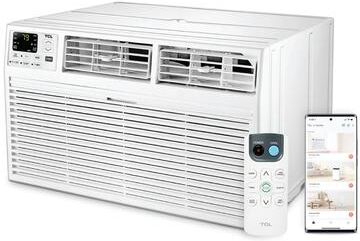
What does 230V and 400V mean?
230V and 400V refer to the voltage levels commonly used for electrical power distribution in residential and industrial settings, respectively. 230V is the standard voltage level for household electrical systems in many countries, while 400V is commonly used for industrial machinery and large appliances. These voltage levels indicate the potential difference between the live and neutral wires in an electrical circuit, and they are important for determining the appropriate electrical equipment and safety measures needed for a particular application. **
What current flows when touching 230V?
When touching 230V, a dangerous level of electric current can flow through the body. This current can cause severe injuries or even be fatal. It is important to always exercise caution around high voltage sources and to never touch them without proper safety measures in place. **
Top-Angebote
Products related to 230v:
-
Henry Hetty 230V Compact Hetty Vacuum Cleaner Black;YellowWith over 15 million Henrys and Hettys made, and most still in use today, they really are vacuums you can trust. Packed full of great features to make cleaning easy, including a huge capacity, versatile toolkit and super long-reach, trouble-free rewind cable. Carpets, hard-floors, cars, stairs, DIY. . . Nothing beats a Henry or Hetty for versatility. Henry203,99 £*Shipping: 0,00 £Secure redirect to the provider
-
Can household appliances be directly connected to 230V direct current?
Yes, household appliances can be directly connected to 230V direct current (DC) if they are designed to operate on DC power. However, most household appliances are designed to operate on 230V alternating current (AC), so they would require a power adapter or converter to convert the DC power to AC power before being connected to the appliances. It is important to check the specifications of the appliance to ensure that it is compatible with the type of power supply being used. **
-
Should one use 12V or 230V LED lighting in the living area?
It is generally recommended to use 230V LED lighting in the living area for several reasons. Firstly, 230V LED lights are more energy efficient and can provide brighter illumination compared to 12V LED lights. Additionally, 230V LED lights are easier to install and maintain, as they do not require a separate transformer. Furthermore, 230V LED lights are more widely available and come in a variety of designs and styles to suit different living area aesthetics. Overall, 230V LED lighting is a more practical and effective choice for the living area. **
-
Which side is 230V for?
230V is typically used for the power supply side in residential and commercial buildings. This voltage is commonly used for powering electrical outlets, lighting, and most household appliances. On the other hand, the load side, such as individual devices and appliances, typically operate at lower voltages. **
-
Why are my 12V lamps lighting up even though there is 230V on the line?
Your 12V lamps are lighting up because they are likely connected to a transformer that is stepping down the 230V line voltage to 12V. The transformer reduces the voltage to a level that is safe for the lamps to operate. This setup allows you to power low-voltage devices safely using the higher voltage from the line. Make sure to always use the appropriate transformers and equipment to prevent damage or safety hazards. **
Similar search terms for 230v
-
Can you convert 12V to 230V?
Yes, it is possible to convert 12V to 230V using a power inverter. A power inverter is an electronic device that converts low voltage DC (direct current) power from a battery or other power source into standard household AC (alternating current) power. This allows you to use devices that require 230V AC power from a 12V DC power source, such as a car battery or a solar panel system. Keep in mind that the power inverter needs to be appropriately sized to handle the power requirements of the devices you want to use. **
-
Are there hollow plugs with 230V?
Yes, there are hollow plugs with 230V. These plugs are typically used for appliances and devices that require higher voltage to operate. They are commonly found in industrial settings, as well as in some residential and commercial applications where higher power requirements are needed. It is important to use these plugs with caution and ensure that they are properly installed by a qualified electrician to prevent any safety hazards. **
-
What does 230V and 400V mean?
230V and 400V refer to the voltage levels commonly used for electrical power distribution in residential and industrial settings, respectively. 230V is the standard voltage level for household electrical systems in many countries, while 400V is commonly used for industrial machinery and large appliances. These voltage levels indicate the potential difference between the live and neutral wires in an electrical circuit, and they are important for determining the appropriate electrical equipment and safety measures needed for a particular application. **
-
What current flows when touching 230V?
When touching 230V, a dangerous level of electric current can flow through the body. This current can cause severe injuries or even be fatal. It is important to always exercise caution around high voltage sources and to never touch them without proper safety measures in place. **
* All prices are inclusive of VAT and, if applicable, plus shipping costs. The offer information is based on the details provided by the respective shop and is updated through automated processes. Real-time updates do not occur, so deviations can occur in individual cases. ** Note: Parts of this content were created by AI.